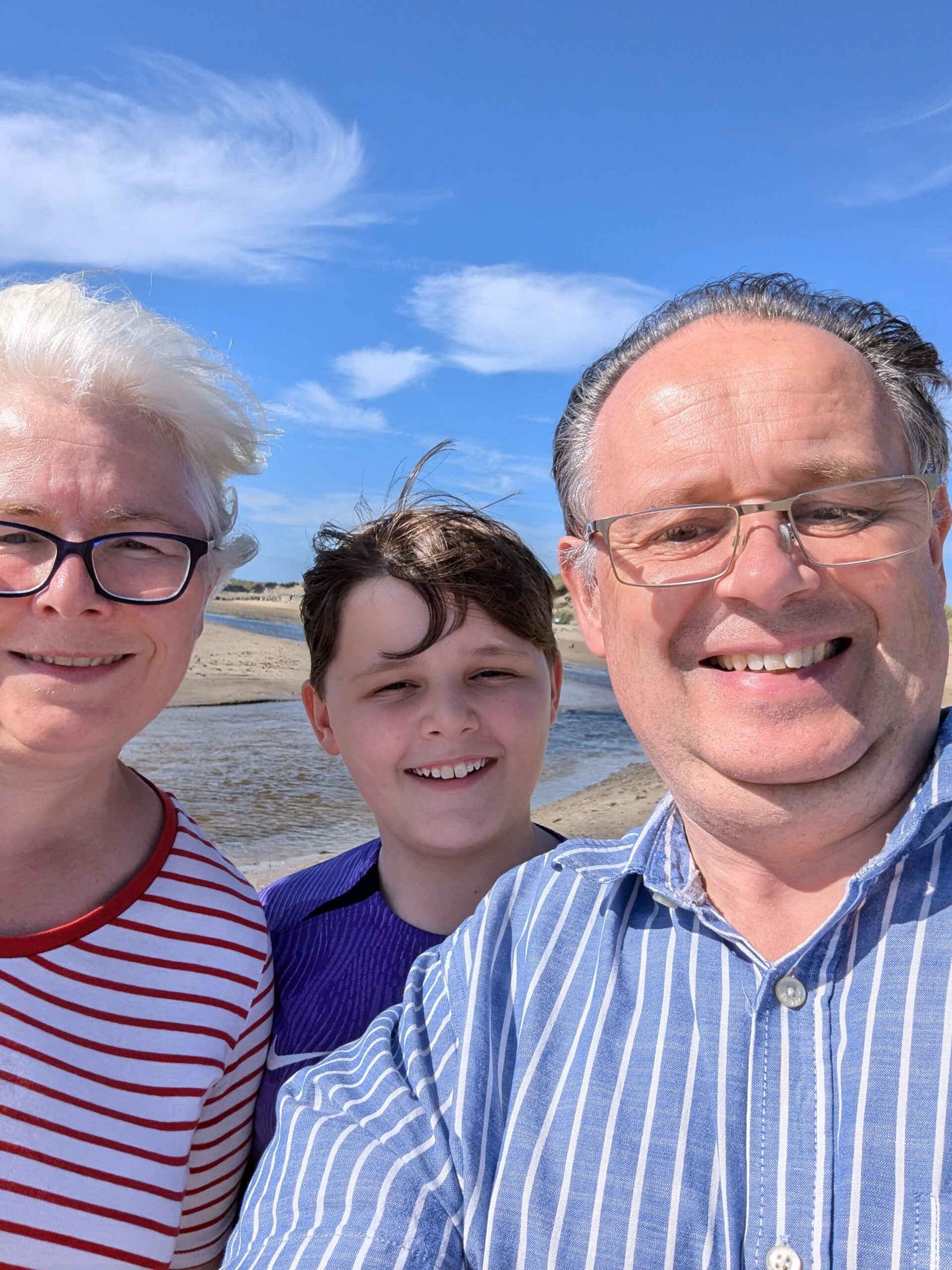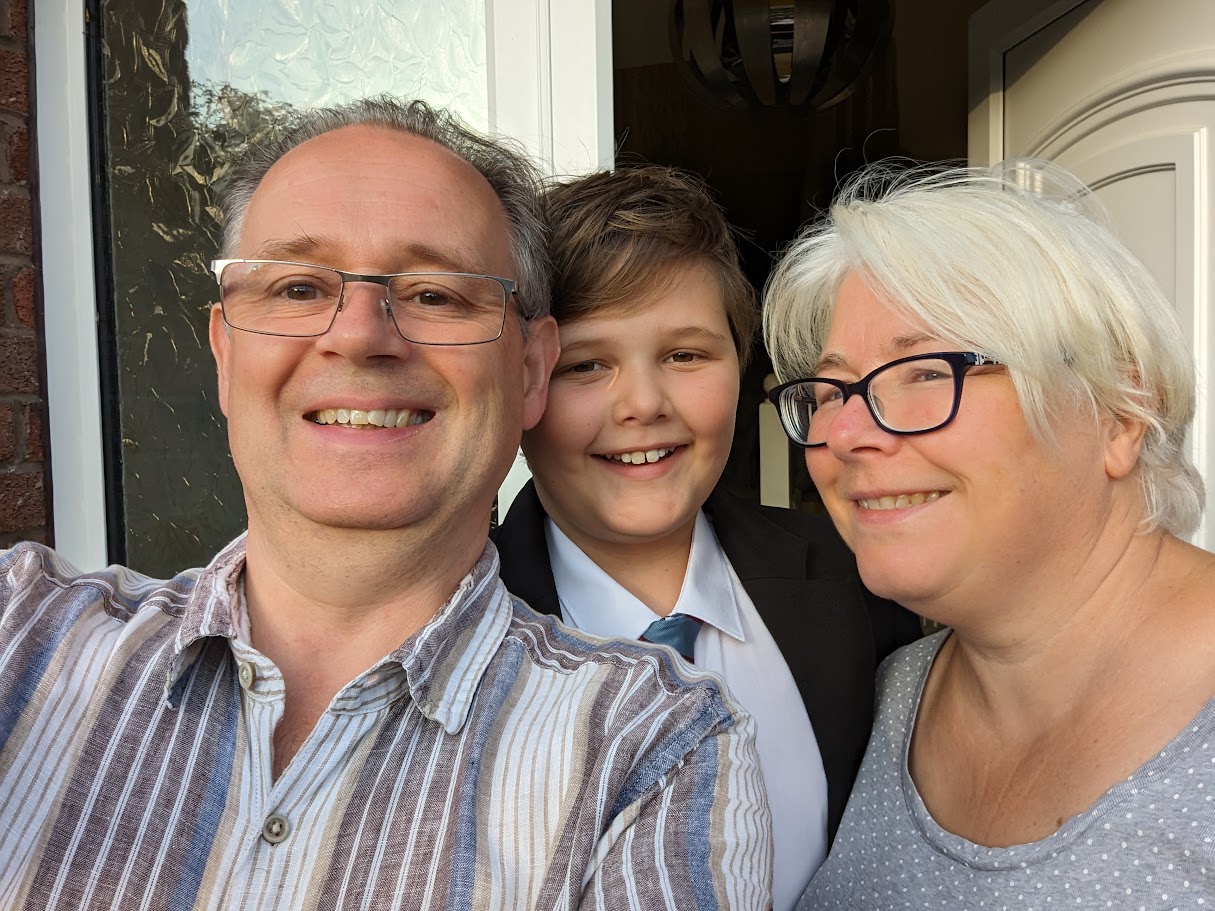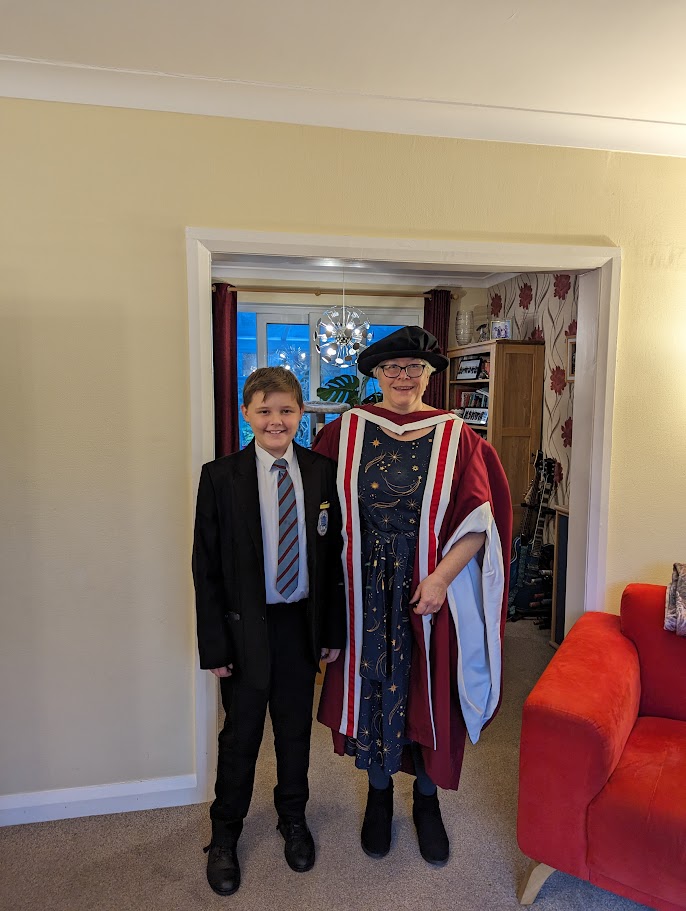

Another year passes, the key news is that T(now 13) has grown massively, he is taller than both of us now and has gone through three shoe sizes in the last year. I’ve been googling “How to bonsai a teenager”! Online school is working out pretty well, T wants to return to mainstream school in the Autumn – a small, relaxed one with intake at the start of GCSEs.
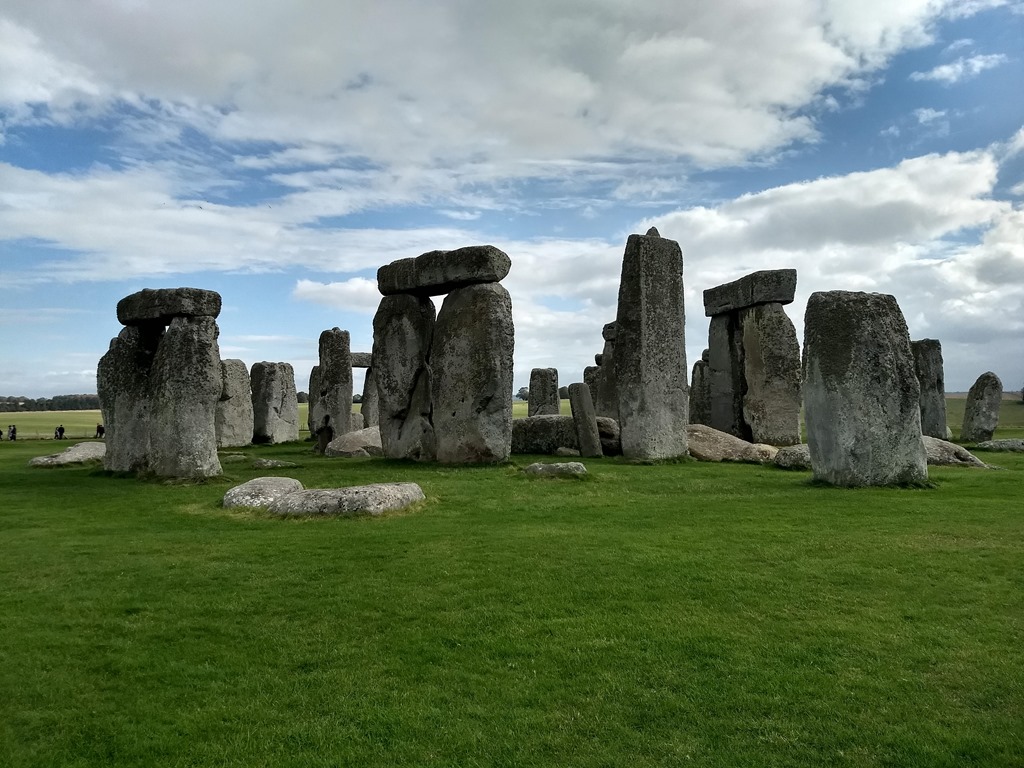
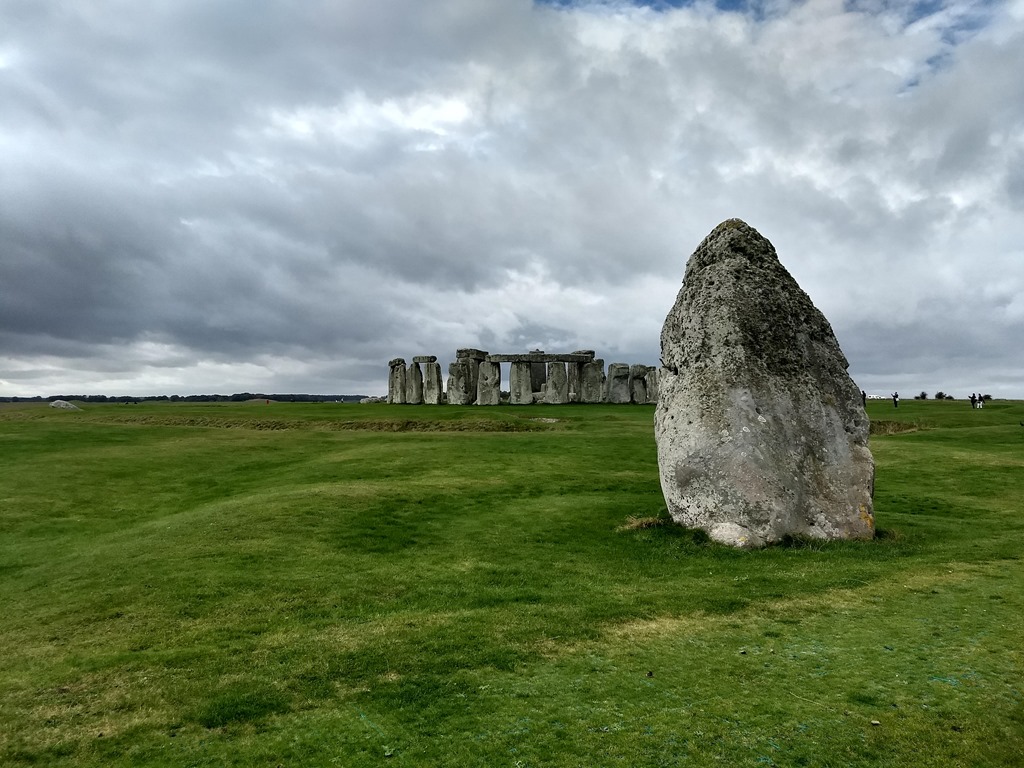
After a couple of years of long COVID I’m back to running again but I’m only able to build up slowly. I also managed holidays to North Wales, and Dorset – back to the homeland – which I haven’t been up to for a few years.
I’m sort of retired – circumstances make looking for work a little challenging at the moment also it turns out not working is quite nice!
This year I published 18 book reviews, a game review (for Black Myth Wukong) and a Rosetta stone post on Rust, the programming language. I’ve actually read four further books on school leadership and behaviour – reviews to be published at AFIS.
I had several themes in the books I read this year; one theme was autism: Understanding Pathological Demand Avoidance Syndrome in Children by Phil Christie, Margaret Duncan, Ruth Fidler and Zara Healey was a bit academic. The books by Dr Naomi Fisher and Eliza Fricker, The Teenager’s Guide to Burnout and When the Naughty Step Makes Things Worse were much better and more helpful – they have a bit of a cult following amongst parents of neurodiverse children. Untypical by Pete Wharmby is a combination of a personal memoir and a guide to making life easier for autistic people, I think the major takeaway for me was the ongoing stress of trying to fit in to systems not designed for the neurodiverse.
I also read three books on Africa by African authors: An African History of Africa by Zeinab Badawi, Africa is not a country by Dipo Faloyin and It’s a Continent by Astrid Madimba and Chinny Ukata. Badawi’s book is encyclopaedic – from the earliest African civilisations finishing briefly with the post-War independence movements. It feels like a jumping off point for further reading. Faloyin’s book was my favourite of these three, partly for his pastiche of How to write about Africa an essay by Binyavanga Wainaina but also it was more explicitly an African view of Africa. All three books attempt to give an equal coverage of the 54 diverse countries of Africa which in a way is a drawback because Africa is so diverse.
Also in history, I read about Mesopotamian cultures The Library of Ancient Wisdom by Selena Wisnom. I struggled to decide between Science and Islam – A History by Ehsan Masood and Pathfinders – The Golden Age of Arabic Science by Jim Al-Khalili in reading about Islamic Science, so I read both. Wisnom’s book is perhaps my favourite of the three – it describes the rich literature of Mesopotamia written on clay tablets in cuneiform, spanning thousands of years. I read about Islamic Science because it was a gap in my knowledge of the history of science. Masood and Al-Khalili’s books are both fascinating and readable, Al-Khalili’s book talks more about the detail of the science and his personal connection to the region. They both do a good job of highlighting that the so called “Dark Ages” were only so for Northern Europeans, and how the work of Arabic scholars was critical to the Renaissance.
After binging on Roman history last year, I just read Roads in Roman Britain by Hugh Davies this year. A sort of retirement project for the author, who had worked as a civil engineer. For the purposes of understanding my own retirement I read Retirement – the psychology of reinvention by Kenneth Shultz, I think my main takeaway from this was that it would have been better to start thinking about retirement a few years before retiring! Related to retirement I got Brilliant Bread by James Morton – a fine collection of bread recipes which I have been following. Six Thousand Years of Bread by H.E. Jacob was a rather idiosyncratic history of bread.
Several books didn’t fit into a broader theme, 1666 – Plague, War and Hellfire by Rebecca Rideal – it centres on London, the Plague is the Black Death, the Hellfire is the Great Fire of London and the War is one of the Anglo-Dutch Wars. The book cast the Black Death and Fire in a different light for me, having learnt of them as a child in the seventies. The Book-Makers by Adam Smyth – through which I discovered one of my former colleagues runs a small press – talks about the technical process of printing, the evolution of the form of the book and the business of printing. A History of the World in 47 Borders by Jonn Elledge, difficult to summarise briefly but perhaps the most interesting takeaway for me was that the modern nation state is a 17th century invention. These last two titles I picked up browsing in a bookshop.
Finally there was Kindred – Neanderthal Life, Love, Death and Art by Rebecca Wragg Sykes – a review of where we are now in understanding Neanderthals – it’s fair to say our understanding has come on a lot since the seventies when I first learned of them.
This coming year I’m hoping to build up my running, and work out how to be retired. Hopefully I’ll be able to get out and about more as the year progresses.